Cobia Fishing in Panama City Beach, FL
A Seasonal Gulf Favorite Worth Watching For
Cobia fishing in Panama City Beach brings a different kind of excitement to a day on the Gulf. Sometimes the first sign is a dark shape cruising just below the surface. Other times, a cobia turns up around a wreck or reef while the crew is working the area. Either way, these powerful fish can quickly become the highlight of a trip.
The waters off Panama City and Panama City Beach offer seasonal opportunities to encounter cobia along the coast and around offshore structures. Captain Mike Charters builds each trip around what is happening on the water, with the flexibility to take advantage of a cobia opportunity when the timing is right. If cobia is on your wish list, let the captain know when you book so you can discuss the best available trip for your dates.
Quick Facts: Cobia Fishing
 Season: Spring through fall locally, with spring migration offering a familiar Panhandle opportunity.
 Best Trip Type: Seasonal nearshore fishing or offshore trips around reefs and wrecks.
 Typical Depth: Near the surface or around structure, depending on where the fish are holding.
 Catch & Keep? Yes, within current size, daily bag, and vessel limits.
 Family Friendly? Yes, with crew guidance and adult help for larger fish.
Cobia We Target in Panama City Beach, FL
Cobia (Rachycentron canadum)
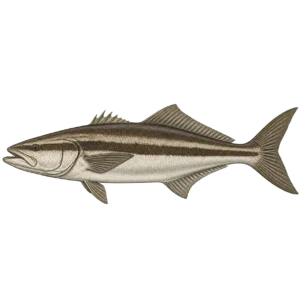
Cobia are a single species, also known as ling or lemonfish. Their long bodies, broad heads, and dark lateral markings make them recognizable once you know what to look for. Although their silhouette can resemble a small shark at first glance, cobia are a completely different fish.
These fish feed on crabs, squid, and small fish. They may cruise along the beach, investigate floating objects, or gather near reefs and wrecks. That range of behavior is why cobia fishing calls for a flexible approach rather than one fixed fishing depth or location.
What Makes Cobia So Unique?
Cobia combine the visual excitement of spotting a fish near the surface with the pulling power anglers expect from a much heavier offshore catch.
A Fish You May See Before It Bites
Watching a cobia approach a bait can be just as memorable as the fight itself. When conditions allow, the crew can spot fish cruising near the surface and present a bait within reach. Clear visibility helps, but cobia can also be caught below the surface around the structure.
It is an engaging way to fish because everyone can follow the action. A fish that seemed to be passing by can turn, inspect the offering, and give the angler a chance to hook up.
Comfortable Around Structure
Buoys, floating objects, and reef areas can all attract cobia. Rather than treating every stretch of water the same, the crew looks for places that offer food or something for the fish to investigate.
This also means a cobia can appear during a trip focused on other Gulf species. Being prepared when one shows up matters just as much as choosing a promising area to begin with.
Strong Right Through the Finish
A cobia has enough strength to keep an angler busy even after the first run. Getting the fish close to the boat does not necessarily mean the fight is finished, and the final moments call for patience.
The crew will talk you through the process and handle bringing the fish aboard when appropriate. Your job is to stay steady on the rod and follow their lead.
When Is Cobia Season in Florida?
Cobia can be encountered in Florida throughout the year, but local fishing opportunities change with water temperature, migration, and bait movement. Around Panama City Beach, spring through fall offers the main seasonal window. Spring is particularly associated with cobia moving along the Panhandle coast.
The best time to look for a fish and the legal harvest season are different things. Cobia do not have a routine annual closed recreational season in Florida, but size and catch limits still apply.
| Species | Season | Harvest Limit |
| Cobia | Open year-round; local opportunities are generally spring through fall. | Minimum 36 inches fork length. One per person or two per vessel per day, whichever is less, in Florida state and Gulf federal waters. |
Note: Check the latest FWC cobia regulations before planning your trip. The crew will confirm what can legally be kept on the day you fish.
How We Catch Cobia: Reading the Water and Fishing Structure
Cobia fishing starts with finding fish that are in range of the trip. On a nearshore fishing trip, that may mean watching the water along the coast. On a deep sea fishing trip, it may mean being ready when a cobia appears around a reef or wreck.
What we look for on the water:
- Fish cruising near the surface or following another fish.
- Buoys, floating objects, and nearby bait activity.
- Reefs and wrecks where cobia may be feeding.
- Water clarity and conditions that allow a good presentation.
Typical setups and techniques:
- Presenting live bait or a suitable lure to a visible fish.
- Fishing a bait deeper when cobia are holding around structure.
- Choosing tackle that can handle a strong fish without sacrificing bait movement.
- Adjusting the presentation as the fish changes direction or depth.
The exact approach depends on the opportunity. Captain Mike and the crew provide the gear and help you respond when a fish comes within reach.
Ready to Look for Cobia?
A cobia sighting can get everyone on the boat paying attention. Turning that sighting into a catch takes the right presentation and a little patience. Tell Captain Mike what you are hoping to catch, and let the crew help you choose a trip that fits the season and your group.
Book Your Trip Today
Frequently Asked Questions About Cobia Fishing
What is a cobia fish?
Cobia are strong saltwater fish found in coastal and offshore waters. They have long bodies, broad heads, and a dark stripe along the side. They are popular with anglers for both their fight and their firm white meat.
Are cobia, ling, and lemonfish the same fish?
Yes. Ling and lemonfish are common names for cobia, Rachycentron canadum. They are regional names for the same species.
When is the best time to catch cobia in Panama City Beach?
Spring through fall offers seasonal opportunities, with the spring migration drawing particular attention along the Panhandle. Recent fish movement and conditions matter more than a fixed date, so ask Captain Mike about the outlook for your trip.
How far offshore do you have to go for cobia?
There is no single distance. Cobia may cruise close to the beach or hold around structure farther offshore. Captain Mike's nearshore trips generally fish within 2 to 9 miles of the shoreline, while longer trips can reach additional areas when conditions allow.
Can you eat cobia?
Yes. Cobia are valued for their firm white meat and work well grilled, baked, or blackened. Any fish kept must meet the current size and catch limits.
How big do cobia get?
Cobia can exceed 100 pounds, although many fish anglers encounter are considerably smaller. Even a moderate-size cobia can put up a strong fight, which is part of its appeal on a charter trip.
Are cobia trips suitable for beginners?
Beginners can take part with help from the crew. Larger cobia may require adult assistance, and the captain can help you decide whether the available conditions and trip type suit your group.
Can I book a trip focused on cobia?
Let Captain Mike know that cobia is your priority when you contact the charter. He can discuss current opportunities and recommend a trip. Cobia move seasonally, so no trip can guarantee an encounter.
Real Guests. Real Cobia. Real Memories.
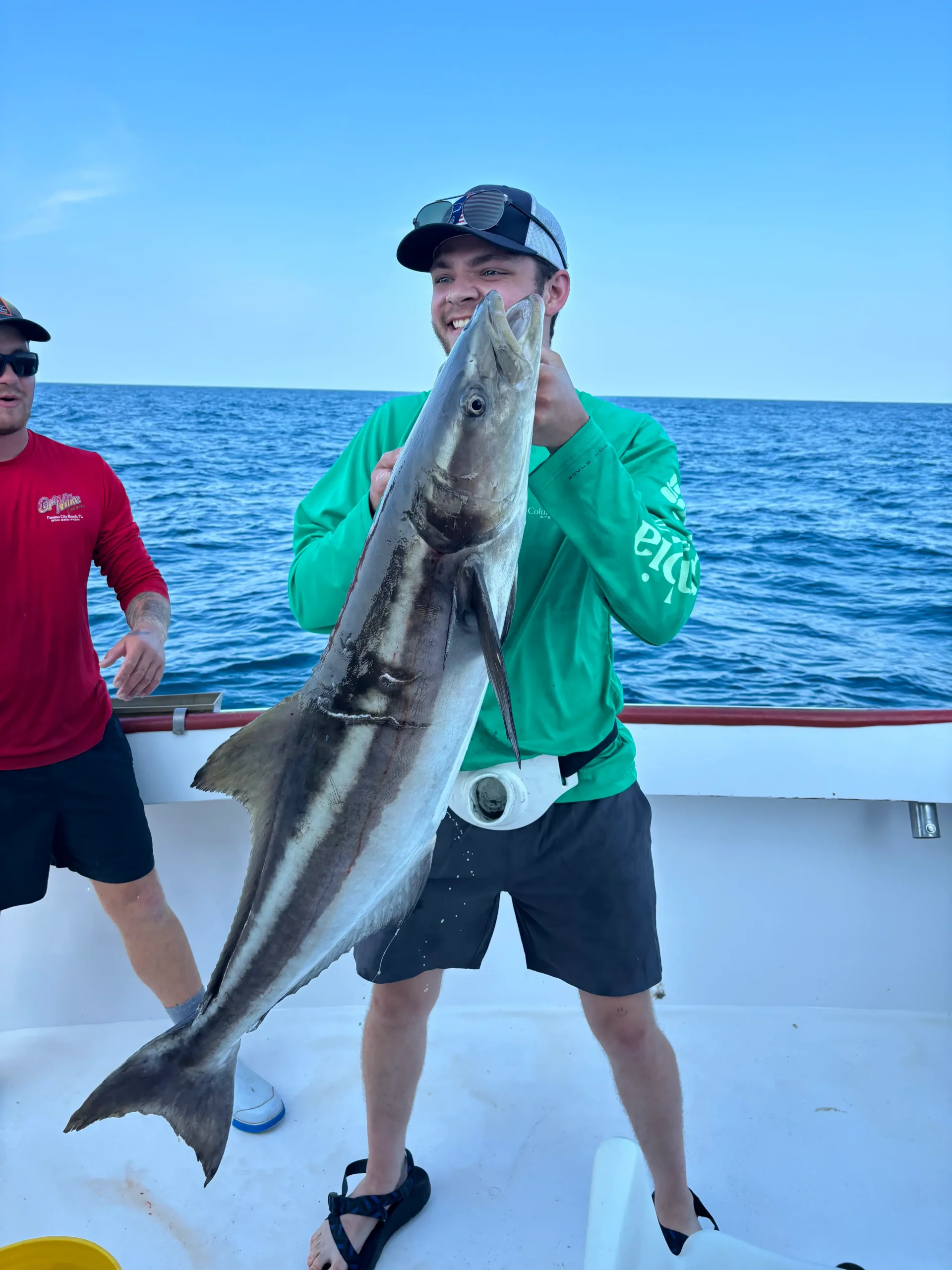
A cobia catch is a good reason to gather around the camera. See the kind of fish guests have brought to the boat with Captain Mike Charters and the excitement that comes with landing one of these powerful Gulf visitors.