Triggerfish Fishing in Panama City Beach, FL
Drop a Line for One of the Gulf's Toughest Reef Fish
Triggerfish fishing in Panama City Beach brings steady bottom-fishing action, surprising strength, and one of the most distinctive catches found on local reefs. Gray triggerfish may not be the biggest fish on the boat, but their stubborn fight, hard bite, and reputation for stealing bait make them a rewarding challenge.
Captain Mike Charters encounters triggerfish around natural bottom, ledges, artificial reefs, and wrecks offshore from Panama City Beach. These trips often target several reef species, so triggerfish may share the day’s catch with red snapper, vermilion snapper, grouper, or amberjack. When triggerfish season is open, a legal fish also makes an excellent addition to the cooler.
Quick Facts: Triggerfish Fishing
 Season: March 1 through May 31 and August 1 through December 31, subject to current Gulf regulations and possible early closures
 Best Trip Type: Six-hour or longer bottom fishing trips
 Typical Depth: Generally 80 feet and deeper around reefs, ledges, wrecks, and hard bottom
 Catch & Keep? Yes, when the season is open and the fish meets current size and bag limits
 Family Friendly? es, with hands-on help from the crew for anglers of different experience levels
Triggerfish We Target in Panama City Beach, FL
Gray Triggerfish (Balistes capriscus)
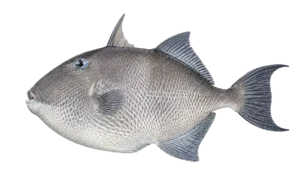
Gray triggerfish are the triggerfish most commonly targeted and kept in the northern Gulf. They have thick, plate-like scales, a small mouth with strong chisel-shaped teeth, and marbled dorsal and anal fins. Larger adults may also develop extended tips on the upper and lower portions of the tail.
The species gets its name from the locking first dorsal spine on top of its body. Pressing the smaller second spine releases the larger one like a trigger. This feature helps the fish wedge itself into reef openings and makes it harder for predators to pull it free.
What Makes Gray Triggerfish So Unique?
Triggerfish are easy to recognize, but their feeding behavior and stubborn fight are what anglers remember most after a Panama City Beach bottom fishing trip.
Small Mouth, Powerful Teeth
Gray triggerfish use strong teeth to crush crabs, shrimp, sea urchins, mollusks, and other hard-shelled prey living around the reef. Their mouths are smaller than those of many snapper and grouper, which can make them excellent bait thieves.
A triggerfish may peck a bait cleanly without staying on the hook. Small, sharp hooks and the right bait presentation help turn those quick bites into hookups.
A Tough Fight Above the Reef
Once hooked, gray triggerfish pull hard for their size and use their broad bodies to resist being lifted through the water. Their fight is less about a long, high-speed run and more about stubborn, side-to-side pressure as the angler works the fish away from structure.
This makes them a fun target for beginners while still keeping experienced bottom fishermen engaged. The bite also rewards attention because an angler must react to light taps before the fish steals the bait.
A Prized Fish for the Table
Gray triggerfish have firm, mild white meat that works well grilled, baked, fried, or blackened. Their tough skin can take more effort to clean than some other reef fish, but many Gulf Coast anglers consider the fillets worth it.
Because the recreational season and harvest limits are carefully managed, keeping a triggerfish depends on the date and the size of the catch. Fish caught outside the open season or below the legal minimum must be released.
When Is Triggerfish Season in Florida?
The Gulf gray triggerfish season is split into spring and late-summer-through-fall periods. In 2026, recreational harvest is open from March 1 through May 31 and again from August 1 through December 31. Federal managers may announce an early closure if projected harvest reaches the annual limit, so the latest rules should always be checked before the trip.
| Species | Open Season | Minimum Size | Daily Bag Limit |
| Gray Triggerfish | March 1-May 31 and August 1-December 31 | 15 inches fork length | 1 per person within the 20-reef-fish aggregate |
Regulations can change. Always check the latest Florida Fish and Wildlife Conservation Commission triggerfish regulations before planning your trip.
How We Catch Triggerfish: Bottom Fishing Over Structure
Triggerfish stay close to the habitat that gives them food and protection. Captain Mike uses local knowledge and marine electronics to position the boat over reefs, wrecks, ledges, and hard-bottom areas where triggerfish and other reef species gather.
What We Look for Offshore
- Artificial reefs and wrecks holding reef fish
- Natural ledges and areas of hard bottom
- Fish activity above and around structure
- Depth, current, and drift conditions that allow an effective presentation
- Signs of red snapper and other reef fish that often share triggerfish habitat
Typical Setups and Techniques
- Small, sharp hooks that fit a triggerfish’s compact mouth
- Squid, cut bait, or other durable natural bait
- Light to medium bottom-fishing tackle with enough strength for mixed reef species
- Controlled drops that keep the bait near productive structure
- Quick hooksets when a fish begins pecking at the bait
Triggerfish are most commonly caught on bottom fishing trips. Captain Mike offers six-hour trips that can reach productive bottom up to about 15 miles offshore, while eight-, ten-, and twelve-hour trips provide more time to travel, try different areas, and pursue a wider mix of reef fish.
Ready to Outsmart a Gulf Bait Thief?
Gray triggerfish turn the light taps of a bottom bite into a hands-on challenge. Between their unusual appearance, stubborn fight, and excellent flavor, they bring something different to a reef-fishing day off Panama City Beach.
Captain Mike Charters supplies the gear, bait, fishing license, and crew guidance needed for the trip. Let Captain Mike know that triggerfish are on your list so he can help you choose a date and trip length that fit the open season and current offshore bite.
Book Your Trip Today
Frequently Asked Questions About Triggerfish Fishing
Can you catch triggerfish in Panama City Beach?
Yes. Gray triggerfish live around offshore reefs, wrecks, ledges, and hard-bottom habitat beyond Panama City Beach. They are commonly encountered while bottom fishing in areas that also hold red snapper and other Gulf reef fish.
When is triggerfish season in Panama City Beach?
For 2026, Gulf recreational gray triggerfish harvest is open March 1 through May 31 and August 1 through December 31. The fishery can close early, and regulations may change in future years, so guests should confirm current FWC rules before their trip.
What is the size limit for triggerfish in Florida?
Gray triggerfish harvested from Gulf waters must measure at least 15 inches fork length under current regulations. Fork length is measured from the tip of the closed mouth to the center of the fork in the tail.
How many triggerfish can you keep in Florida?
The current recreational Gulf bag limit is one gray triggerfish per person per day within the 20-reef-fish aggregate. Captain and crew restrictions may also apply aboard federally permitted for-hire vessels.
Where do gray triggerfish live?
Gray triggerfish favor hard bottom, reefs, ledges, and wrecks, commonly in water deeper than 80 feet. Around Panama City Beach, this habitat is reached on offshore bottom fishing trips.
What bait works best for triggerfish?
Squid and small pieces of cut bait are common choices because they stay on the hook as triggerfish peck at them. A small, very sharp hook is important because triggerfish have compact, bony mouths.
Are triggerfish hard to catch?
They can be tricky because they are skilled bait thieves. Anglers must watch for quick taps and react before the bait is gone. Once hooked, a triggerfish uses its broad body to create a stubborn fight on the way up.
Is triggerfish good to eat?
Yes. Gray triggerfish has firm, mild white meat and is popular grilled, fried, baked, or blackened. The skin is tough, but the clean-tasting fillets make it a favorite among many local anglers.
Why is it called a triggerfish?
The name comes from the fish's dorsal spines. The large first spine locks upright, and pressing the smaller second spine releases it like a trigger. The fish can use the locked spine to brace itself in reef openings.