Blackfin Tuna Fishing in Panama City Beach, FL
Chase a Fast, Powerful Offshore Favorite
Blackfin tuna fishing in Panama City Beach offers the speed and strength anglers expect from a tuna without requiring a trip to faraway tropical waters. These streamlined predators travel in schools, feed aggressively, and can turn a calm stretch of offshore fishing into fast action when they find bait.
Captain Mike Charters targets blackfin tuna during longer offshore trips when water conditions, bait movement, and recent fishing reports point toward a good opportunity. They are often part of a mixed offshore catch rather than the only species pursued all day, which means the same trip may also produce wahoo, mahi mahi, king mackerel, or other migratory fish. When blackfin show up, however, their hard strikes and determined runs quickly command everyone’s attention.
Quick Facts: Blackfin Tuna Fishing
 Season: Opportunities throughout the year when offshore conditions are right
 Best Trip Type: Longer offshore trolling and deep sea fishing trips
 Typical Depth: Near the surface and through the upper water column over deep offshore water
 Catch & Keep? Yes, within current regulations
 Family Friendly? Yes, although longer offshore trips are best for guests comfortable spending a full day on the Gulf
Blackfin Tuna We Target in Panama City Beach, FL
Blackfin Tuna (Thunnus atlanticus)
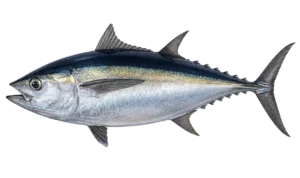
Blackfin tuna are the primary smaller tuna encountered on offshore fishing trips from Panama City Beach. They have dark backs, silver sides, a bronze-colored stripe, and dark finlets edged in white. They are commonly smaller than yellowfin tuna, but their compact build gives them plenty of speed and pulling power.
Blackfin are open-water predators that feed on small fish, squid, crustaceans, and other available prey. They may gather around concentrations of bait, current edges, floating material, and other offshore features that create feeding opportunities. Because these fish move with their food, finding them often depends on reading what is happening in the water that day.
What Makes Blackfin Tuna So Unique?
Blackfin tuna combine speed, strength, and excellent table quality in a fish that can challenge both first-time offshore anglers and experienced fishermen.
A Compact Fish With Serious Power
Blackfin tuna do not need to be enormous to put up an impressive fight. Their streamlined bodies are built for constant movement, and a hooked fish often responds with a fast first run followed by steady pressure below the boat.
The fight can feel heavier than the fish’s size suggests. Keeping the line tight and following the crew’s instructions helps the angler maintain control as the tuna changes direction or circles deeper in the water.
Fast-Moving Schools
Blackfin tuna often travel and feed in groups. When a school becomes active, multiple lines may get attention within a short period, creating the kind of quick, high-energy action offshore anglers hope to find.
Those opportunities can also disappear quickly as the fish follow bait or move through changing water. Local knowledge matters because the crew must recognize signs of feeding activity and adjust the boat, spread, or bait presentation while the fish are nearby.
Excellent Fresh From the Gulf
Blackfin tuna are prized for their deep red meat and rich flavor. Fresh blackfin can be seared, grilled, blackened, or prepared as sushi or sashimi when it has been handled properly for raw consumption.
For many guests, bringing home fresh tuna is an added reward after the fight. Proper icing and care aboard the boat help protect the quality of the catch from the water to the marina.
When Is Blackfin Tuna Season in Florida?
Blackfin tuna can be caught in Florida throughout the year, but there is no single date that guarantees the bite off Panama City Beach. Offshore water quality, temperature, currents, bait, and weather all affect when schools move within range. Some days produce a focused tuna opportunity, while on others blackfin may appear as a welcome catch during a mixed-species trip.
| Species | Open Season | Minimum Size | Daily Bag Limit |
| Blackfin Tuna | Open year-round | None | 2 per person or 10 per vessel, whichever is greater |
Regulations can change. Always check the latest Florida Fish and Wildlife Conservation Commission tuna regulations before planning your trip.
How We Catch Blackfin Tuna Offshore
Blackfin tuna fishing is built around finding active offshore water rather than returning to one fixed spot. Captain Mike and the crew watch conditions and use the technique that best matches the location of the fish and the way they are feeding.
What We Look for Offshore
- Baitfish gathering near the surface
- Diving birds or sudden surface activity
- Current edges, color changes, and cleaner blue water
- Floating structure or other features holding bait
- Signs of feeding fish on the surface or marine electronics
Typical Setups and Techniques
- Trolling artificial lures or rigged baits to cover water
- Adjusting lure size, color, speed, and position in the spread
- Using live bait or chunk bait when tuna gather below the surface
- Matching tackle to the fish while keeping enough strength for long runs
Blackfin tuna may be targeted during offshore trolling trips or encountered on a longer deep sea fishing trip. Because distance and conditions vary, guests interested in tuna should discuss their goals with Captain Mike before choosing a trip length.
Ready for a Shot at Blackfin Tuna?
A blackfin strike brings speed, pressure, and a true offshore challenge to the trip. Captain Mike Charters uses local experience, current conditions, and a flexible fishing plan to pursue these fish when an opportunity develops off Panama City Beach.
Tell Captain Mike that blackfin tuna are on your wish list when you book. He can recommend the trip length and fishing approach that best fit the season, current bite, and your group’s goals.
Book Your Trip Today
Frequently Asked Questions About Blackfin Tuna Fishing
Can you catch blackfin tuna in Panama City Beach?
Yes. Blackfin tuna move through offshore Gulf waters beyond Panama City Beach and may be targeted on longer trips when bait, water conditions, and recent activity line up. They are often one possible catch on a mixed-species offshore trip rather than a guaranteed single-species target.
What is the best time to catch blackfin tuna in Florida?
Blackfin tuna are available year-round in Florida, but the best local opportunities depend on offshore conditions more than a fixed calendar date. Water temperature, currents, bait movement, and weather can all affect where the fish are feeding and how far the boat must travel.
How far offshore do you go for blackfin tuna?
The distance varies because blackfin follow bait and favorable water. Captain Mike's longer trips can travel well offshore from Panama City Beach, with the exact run based on trip length, sea conditions, and where fish have recently been active.
How big do blackfin tuna get?
Blackfin tuna are the smallest true tuna species in the genus Thunnus. Many fish are in a manageable range for recreational anglers, although larger individuals can exceed 30 pounds and put up an especially demanding fight.
What does a blackfin tuna fight feel like?
Expect a quick strike, a strong initial run, and steady pressure. Tuna are built to swim continuously, so even a moderate-size blackfin can test an angler as it runs, changes direction, and circles beneath the boat.
What bait or lures catch blackfin tuna?
Blackfin may respond to small trolling lures, rigged baits, live bait, or chunk bait. The best choice depends on whether the fish are spread out, feeding near the surface, or holding deeper in the water column.
Is blackfin tuna good to eat?
Yes. Blackfin tuna has rich, deep red meat and is popular seared, grilled, blackened, or prepared raw when handled and prepared appropriately. Its table quality is one reason it is such a prized offshore catch.
Is blackfin tuna the same as yellowfin tuna?
No. They are separate tuna species. Blackfin are generally smaller and have dark finlets with pale edges, while yellowfin can grow much larger and develop longer yellow dorsal and anal fins.