Bonito Fishing in Panama City Beach, FL
A Hard-Fighting Catch That Keeps Trolling Interesting
Bonito fishing in Panama City Beach is a good reminder that a fish does not have to be enormous to make you work for it. These compact, fast-moving fish can hit a bait hard and keep pulling, making them an exciting part of a trolling trip along the Gulf Coast.
Around Panama City and Panama City Beach, the name bonito commonly refers to little tunny. Captain Mike Charters encounters these fish on trolling and nearshore trips, often alongside other moving predators. For families and anglers who enjoy the anticipation of a bite behind the boat, bonito add a lively challenge without always requiring a long run to deep offshore water.
Quick Facts: Mahi Mahi Fishing
 Season: Opportunities vary with bait schools and water conditions; ask about the current trolling bite.
 Best Trip Type: Nearshore trolling and mixed-species trolling trips.
 Typical Depth: Often near the surface or in the upper water column, in coastal and offshore water.
 Catch & Keep? Yes, subject to applicable rules; little tunny are often valued more for sport or bait than for dinner.
 Family Friendly? Yes, with crew assistance for younger or first-time anglers.
Bonito We Target in Panama City Beach, FL
Little Tunny (Euthynnus alletteratus)
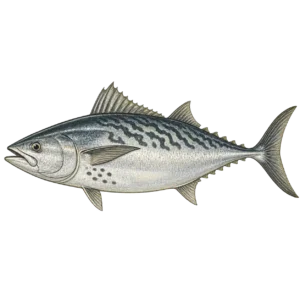
The fish featured on this page is little tunny, a member of the tuna and mackerel family. It is also called bonito, blue bonito, or false albacore. Broken, wavy markings across the back and dark spots below the pectoral fins help identify it.
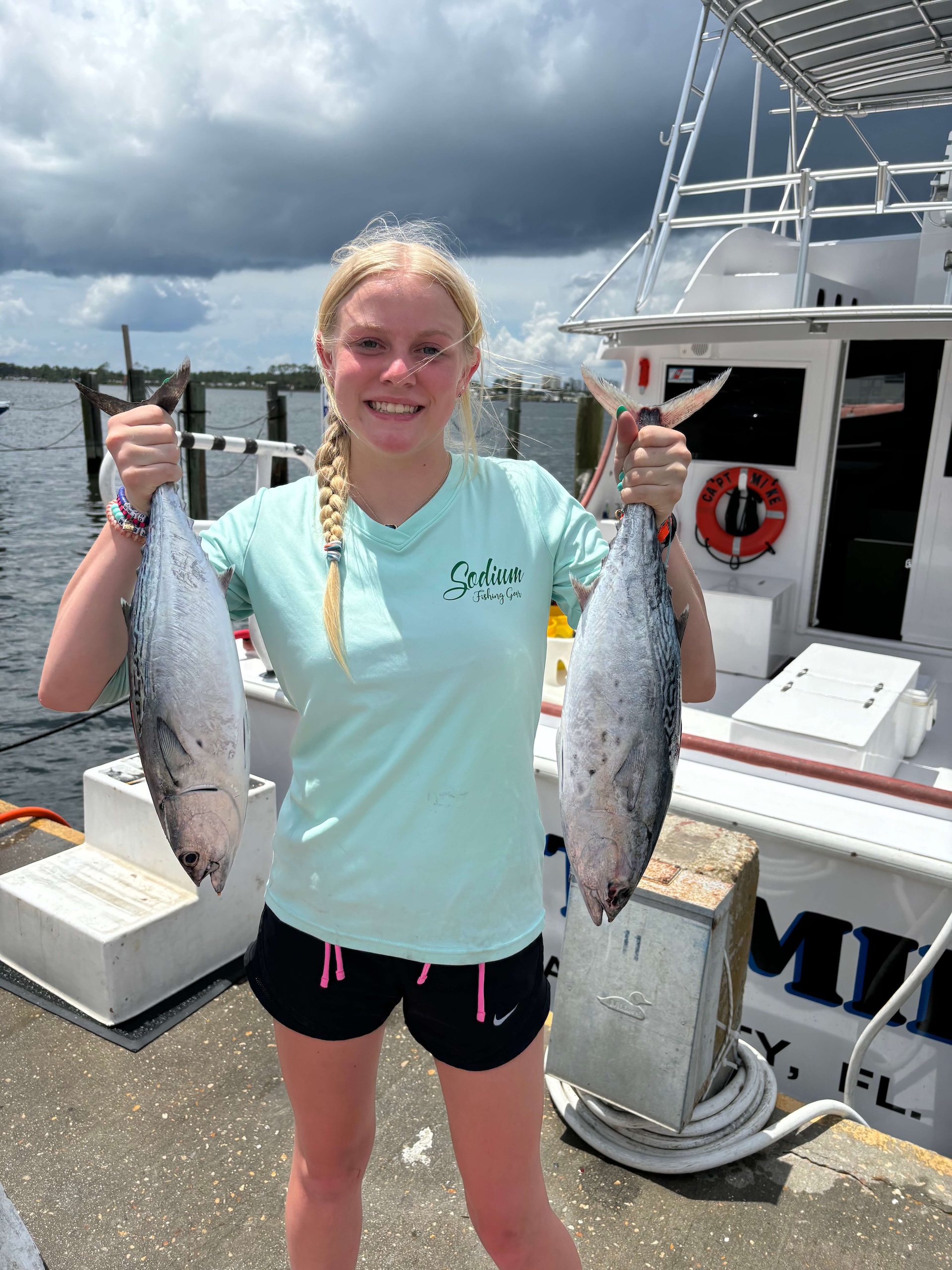
Atlantic bonito is a different species. That distinction matters because the same common name is used for different fish in different places. Here, “bonito fishing” means pursuing the little tunny seen in Captain Mike’s catch photos, not treating every small tuna-shaped fish as the same catch.
What Makes Bonito So Unique?
Little tunny are built to chase bait in open water. Their strong swimming and schooling behavior make them an entertaining fish to encounter on a trolling trip.
A Lot of Fight in a Compact Body
A bonito’s streamlined shape and deeply forked tail help it move efficiently. Once hooked, that swimming ability becomes a determined pull on the line. A fish that looks manageable beside the boat may have already given the angler a substantial workout.
That strength is part of the appeal. First-time anglers get to feel what a fast saltwater fish can do, while experienced anglers have a reason to stay engaged when a school is feeding nearby.
Feeding Schools Can Change the Pace
Little tunny feed on small fish and other prey, and feeding activity can become visible at the surface. Birds working above the water or bait scattering below them may give the crew a reason to investigate.
Schools do not stay in one place all day. Trolling lets the boat cover water and search for activity rather than relying on a single fixed fishing spot. When the crew finds feeding fish, the pace can pick up quickly.
More Than a Dinner Fish
Little tunny are edible, but their dark, oily flesh has a much stronger flavor than the mild white meat many charter guests want to take home. They are also used as bait, making them useful catches even when dinner is not the goal.
Their strongest appeal on a recreational trip is often the fight itself. If your priority is filling a cooler for a family meal, tell the captain so he can help you choose an appropriate trip and fishing plan.
When Is Bonito Season in Florida?
Little tunny do not have a routine closed recreational season in Florida state waters. Their availability around Panama City Beach still changes as bait moves and conditions shift. An open harvest season should not be confused with a guarantee that feeding schools will be within reach on a particular day.
The most useful question when booking is what the crew has been seeing on recent trolling trips. That gives you a better picture of current opportunities than choosing a date from a statewide calendar.
| Species | Season | Harvest Limit |
| Little tunny, commonly called bonito | No routine closed season in Florida state waters; local fishing opportunities depend on conditions and bait activity. | No species-specific Florida recreational minimum size. The state’s default bag limit is two fish or 100 pounds per person per day, whichever is greater. |
Note: Florida’s “unregulated species” category still has a legal catch limit. Check the latest FWC default recreational limits before your trip. The crew will confirm applicable rules for the waters being fished.
How We Catch Bonito: Following the Bait on Trolling Trips
Captain Mike’s trolling trips keep the boat moving with lines behind it, covering areas where feeding fish may be traveling. Little tunny are one of the opportunities described on the charter’s shorter trolling options, although they can also occur farther offshore.
What we look for on the water:
- Bait schools and fish feeding near the surface.
- Birds concentrating over an active area.
- Current lines and water movement that bring prey together.
- Changes in fish activity as the boat moves along the coast.
Typical setups and techniques:
- Trolling small baitfish-style lures or suitable baits behind the boat.
- Adjusting speed and presentation to the feeding activity.
- Keeping tackle ready for quick strikes and sustained runs.
- Moving with the fish rather than staying over an inactive spot.
The crew handles the setup and talks you through the fight when a fish takes a line. A nearshore trip can be a good option to discuss if your group wants trolling action without committing to the longest offshore outing.
Ready to See What Is Biting?
A bonito on the line can keep an angler smiling even after the fight is over. Ask Captain Mike about the current trolling bite and choose a trip that gives your group time to enjoy the Gulf, learn from the crew, and be ready when a fish takes a bait.
Book Your Trip Today
Frequently Asked Questions About Bonito Fishing
What is a bonito fish in Florida?
In Florida, anglers commonly use bonito as a name for little tunny, Euthynnus alletteratus. This page covers that species. Common names vary by region, so identifying the actual fish is important.
Are bonito and little tunny the same fish?
Little tunny is commonly called bonito locally, but Atlantic bonito is a separate species. Little tunny have broken, wavy markings on the back and dark spots below the pectoral fins. Atlantic bonito generally have straighter back stripes and lack those spots.
Is little tunny the same as blackfin tuna?
No. They are different species, although both belong to the tuna and mackerel family. Little tunny's wavy back markings and dark spots help distinguish it. Learn about the other fish on our blackfin tuna page.
Can you eat bonito or little tunny?
Little tunny are edible, but the meat is dark, oily, and strong-flavored. They are often more popular as a sport fish or bait than as a dinner catch. Tell the captain if bringing home fish to eat is an important part of your trip.
How big do little tunny get?
Little tunny can reach about four feet in length, although many catches are smaller. Their strength and determined runs can make them feel bigger on the line than they look beside the boat.
When is the best time to catch bonito in Panama City Beach?
Look for periods when bait schools and feeding little tunny are within range of the trip. Conditions change, so ask Captain Mike about recent trolling activity when planning your date rather than relying on one fixed peak month.
Can you catch bonito on a shorter fishing trip?
Yes, when the fish are feeding within reach. Bonito are listed among the opportunities on Captain Mike's four- and six-hour trolling trips. Trip length creates fishing time, but it does not guarantee a particular species.
Are bonito good fish for beginners and kids?
They can be exciting catches for beginners and younger anglers, with help from the crew. Bonito pull hard, so younger children may need assistance handling the rod and reel during the fight.
Real Guests. Real Bonito. Real Memories.
The catch photos show why little tunny deserve more attention than their size might suggest. A hard-fighting fish, a happy angler, and a day on the Gulf can make a memorable combination on a Captain Mike Charters trip.