Amberjack Fishing in Panama City Beach, FL
Fight One of the Gulf’s Strongest and Most Exciting Game Fish
If you want a true test of strength on the water, amberjack fishing in Panama City Beach belongs at the top of your list. Locals call them “reef donkeys” for a reason. They hit hard, pull harder, and try to bulldoze straight back to the wreck or reef the second they’re hooked.
Captain Mike Charters targets amberjack on offshore trips around structures where these fish live and feed. Many greater amberjack land in the 20 to 40 pound range, with bigger fish always a possibility. If your crew wants a rod-bending fight and a story worth telling, amberjack delivers.
Quick Facts: Amberjack Fishing
 Season (Gulf/Florida): Greater amberjack seasons can change and may close for long stretches, so always check current rules before planning your trip.
 Best Trip Type: Offshore, deep sea fishing, reef and wreck fishing
 Typical Depth: 80 to 300+ feet
 Catch and Keep? Yes, when the season is open and within FWC limits
 Family Friendly? Yes, but best for strong teens and adults because of the fight
Types of Amberjack You Can Catch in the Gulf
Greater Amberjack (The Main Target Species)
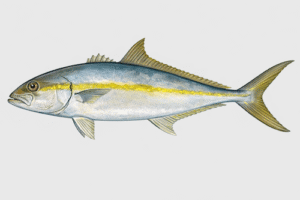
Greater amberjack are the “true” amberjack most anglers mean when they book an amberjack trip in Florida. They are big, powerful, and built for wreck and reef life, which means the fight is intense from the first second.
- The main amberjack species targeted on Panama City Beach charters
- Known for long, punishing runs and non-stop pulling power
- Found near deep wrecks, reefs, and other offshore structure
- One of the strongest pound-for-pound fighters in the Gulf
- A favorite for anglers who want a serious challenge
Almaco Jack (Occasional Catch on Offshore Structure)
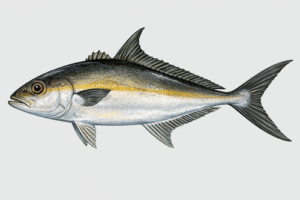
Almaco jacks are closely related and show up around similar offshore structure. They are strong fighters and can be excellent eating, so they are always a welcome surprise when they show up in the mix.
- Similar offshore habitat and hard-fighting attitude
- Often caught around reefs and wrecks
- Great bonus fish on mixed-target deep sea trips
Lesser Amberjack (Sometimes Caught as Bycatch)
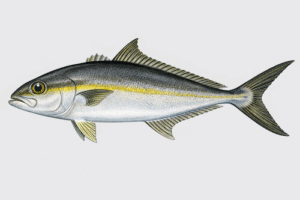
Lesser amberjack are smaller than greater amberjack, but they can still pull above their weight class. They are not usually the main target, but they do show up from time to time offshore.
- Smaller than greater amberjack
- Still a strong fight, especially on the right tackle
- Caught occasionally while targeting other reef species
When Is Amberjack Season in Florida?
Mackerel fishing in Florida is best during warmer months when water temperatures rise and baitfish become active.
| Species | Season | Minimum Size | Daily Bag Limit |
| Greater Amberjack | Split seasons in spring and late summer to fall (varies yearly) | 34” fork length | 1 per person per day |
| Almaco Jack | Year-round | 12” fork length | Part of jack aggregate |
| Lesser Jack | Year-round | 14” fork length | Part of jack aggregate |
Note: Always check the latest regulations from the Florida Fish and Wildlife Conservation Commission (FWC) before planning your trip. Season dates and limits can change based on state and federal updates.
How We Catch Amberjack: Speed, Strategy & Strikes
Amberjack fishing is all about heavy tackle, deep structure, and winning the first few seconds of the fight. These fish live around wrecks and reefs, and their first instinct is to dive straight down and break you off on structure. That’s why technique matters as much as strength.
Captain Mike and his crew focus on proven offshore setups based on the day’s conditions and what the fish are doing.
Common techniques we use:
- Live bait fishing: Blue runners, pinfish, and other hardy baitfish when conditions call for it
- Vertical jigging: Heavy jigs dropped over wrecks and reef edges to trigger aggressive strikes
- Structure targeting: Wrecks, ledges, and reefs where amberjack hold and feed
What the fight feels like:
- A hard hit, then a deep, steady pull down
- A full-body battle where you keep pressure on and gain line when you can
- The kind of fight that turns first-timers into repeat customers
Captain Mike knows the local structure and the seasonal patterns that put you on the best spots when amberjack are active.
Your Next Amberjack Fishing Story Starts Here
Amberjack are a bucket-list fish for a reason. They are powerful, unpredictable, and a true test of grit. If you want a trip that feels earned, this is the one.
Captain Mike Charters provides the heavy-duty gear and hands-on guidance it takes to battle these fish the right way. Bring your crew, bring your energy, and get ready for a fight.
Frequently Asked Questions About Mackerel Fishing
What is amberjack?
Amberjack is a group of strong, fast saltwater fish that live around reefs and wrecks. In the Gulf, the most popular target is the greater amberjack.
What kind of fish is amberjack?
Amberjack are part of the jack family. They are powerful predators that hunt baitfish around offshore structure.
Is amberjack a tuna?
No. Amberjack are not tuna. They fight hard like tuna, but they are a jack species, not part of the tuna family.
Is amberjack yellowtail?
No. The “yellowtail” you see on sushi menus is typically Japanese yellowtail (often called hamachi), which is a different fish and not the same as Gulf amberjack.
What does amberjack taste like?
Amberjack has a richer flavor than many mild white fish. When it’s handled well and cooked right, it can be firm, meaty, and great on the grill.
Is amberjack good to eat?
Yes, many people love it. It’s a dense, steak-like fish that does well grilled, blackened, or smoked. Like any fish, freshness and proper handling make a big difference.
Can you eat amberjack raw?
In general, Gulf amberjack is not considered a typical raw fish choice because of parasite risk. Most people stick to cooked preparations, and “sushi-grade” fish is handled under very specific standards.
How big do amberjack get?
Greater amberjack can grow very large. Many fish caught on charters are in the 20 to 40 pound range, with bigger fish possible depending on conditions and season.
What does greater amberjack eat?
They feed on baitfish like blue runners and other fish found around reefs and wrecks, plus squid and other offshore prey.
How do you catch amberjack?
Most amberjack are caught offshore around wrecks and reefs using live bait or vertical jigs. The key is keeping strong pressure early so they don’t dive back into structure.
When is amberjack season in Florida?
In the Gulf, amberjack seasons can change and may close for long stretches. Always check the latest FWC rules before you plan a trip focused on keeping amberjack.
What is the size limit for amberjack in Florida?
In Gulf state and federal waters, the greater amberjack minimum size is commonly listed as 34 inches fork length, but always confirm current rules before fishing.
How hard do amberjack fight?
Very hard. Amberjack are known for deep, stubborn pulling power and a first run that can be brutal. If you want one of the strongest fights in the Gulf, this is it.
Real Guests. Real Amberjack. Real Memories.
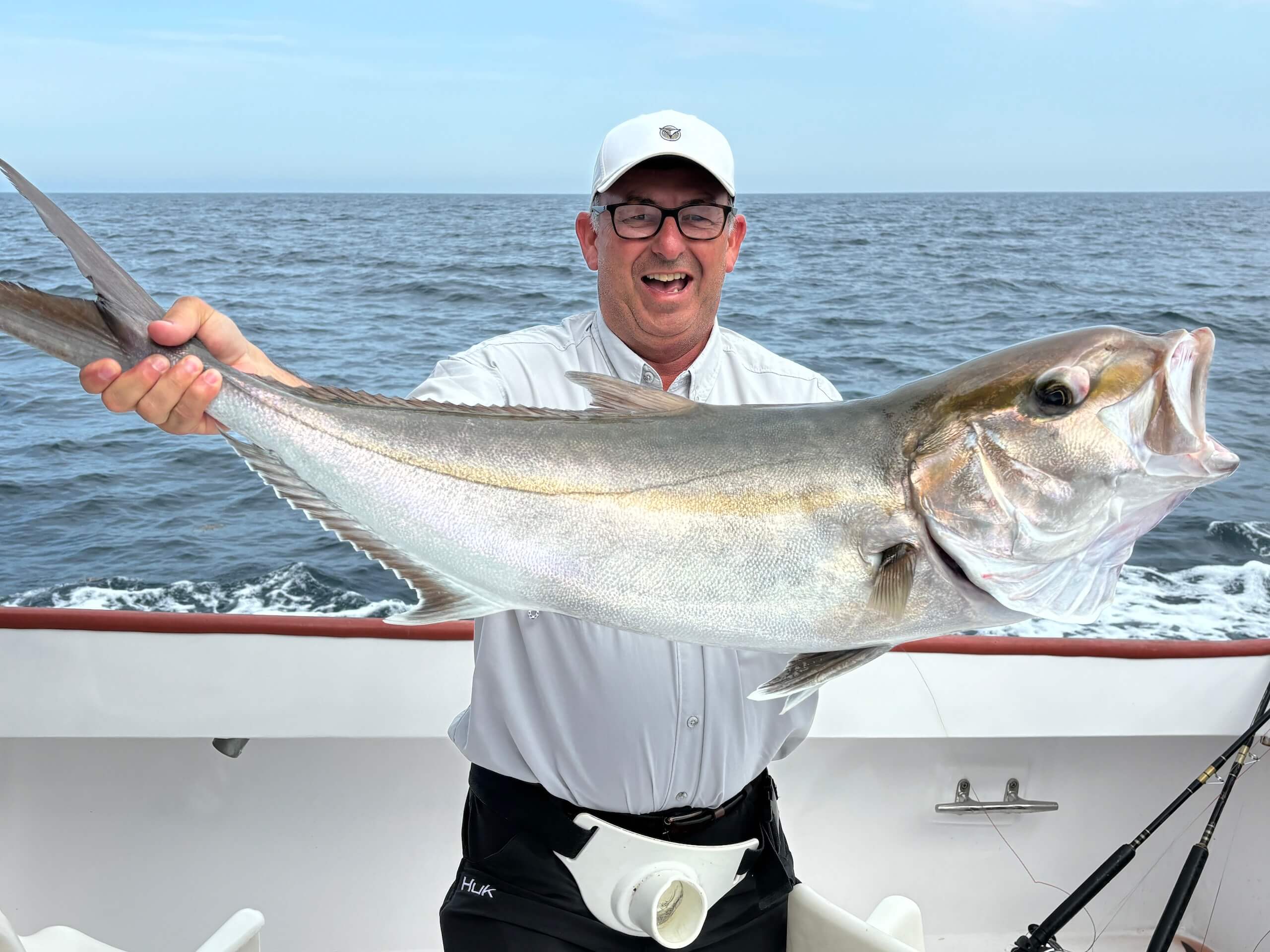
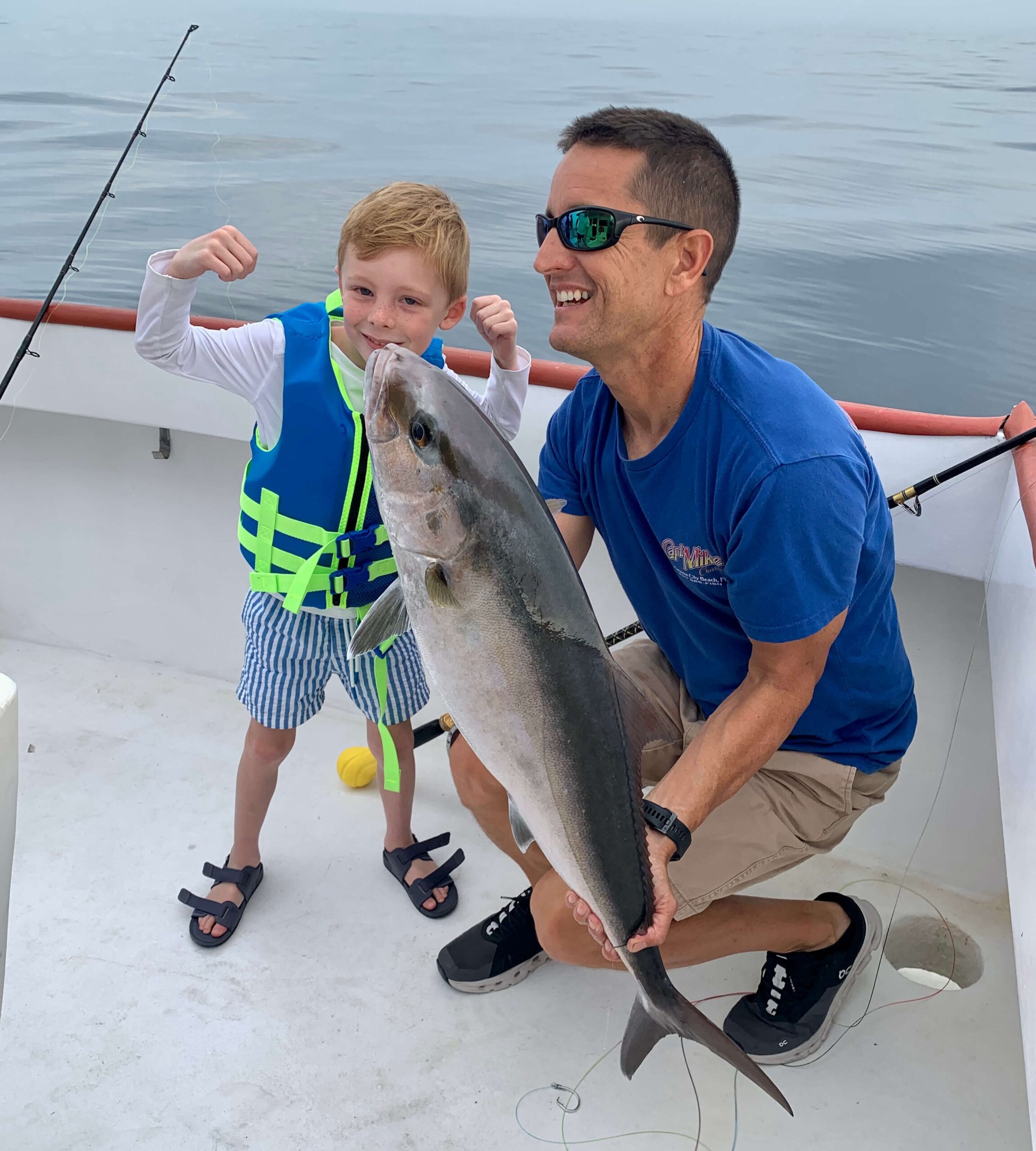
Take a look at some of the unforgettable amberjack catches from past trips with Captain Mike Charters. From first-time deep-sea anglers to seasoned pros, every photo captures the raw power and excitement of battling these hard-fighting Gulf giants. Whether it’s a massive greater amberjack or a hard-charging almaco jack, these moments show exactly why landing an amberjack is a memory that sticks with you long after the trip ends.