Mike | December 11, 2025
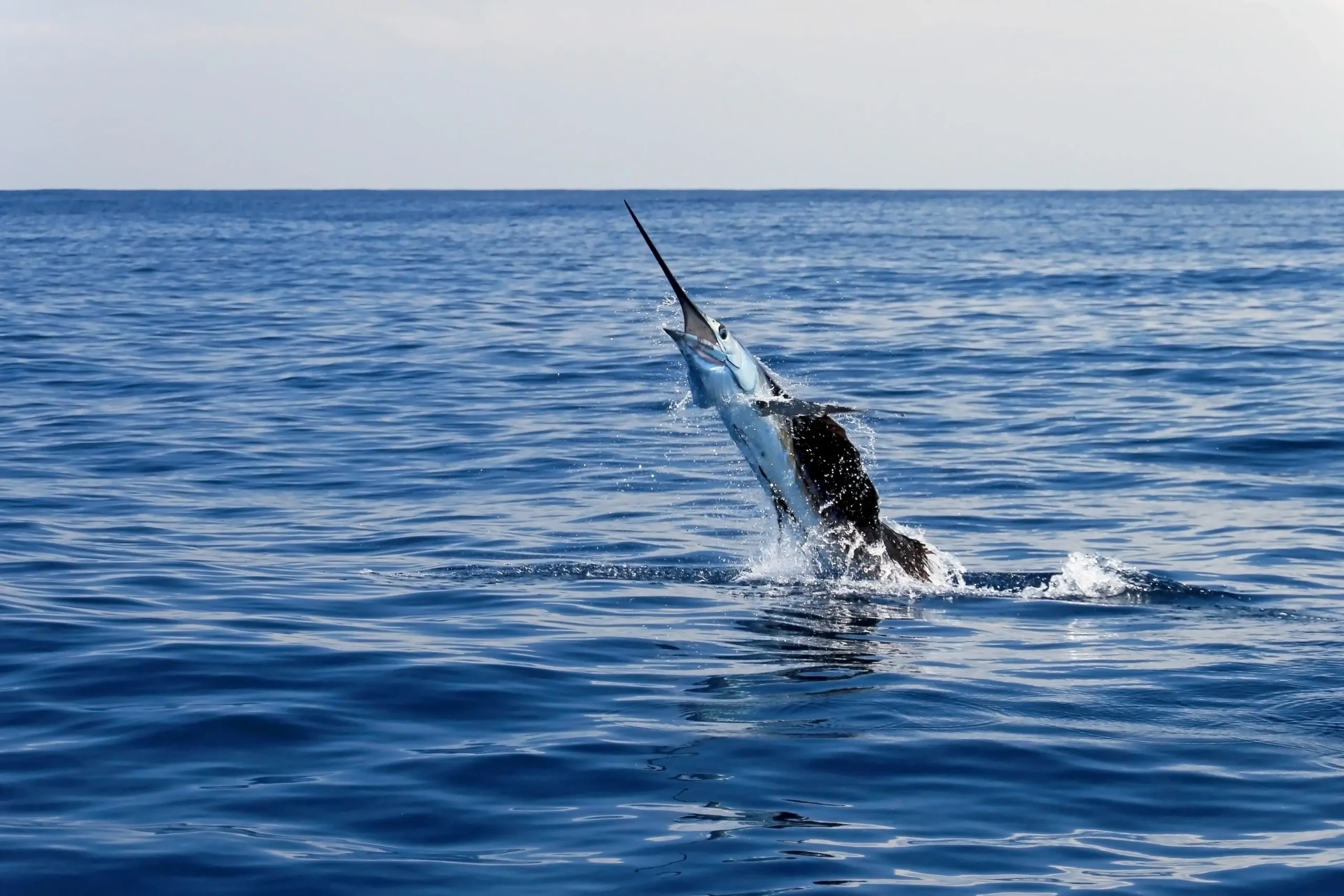
Anyone who follows offshore tournaments has seen both marlin and swordfish steal the spotlight. The names get tossed around interchangeably, and with all the excitement around big-game catches, it is no surprise that many anglers wonder how similar these fish really are.
In reality, they are very different species with distinct habits, behaviors, and offshore ranges that usually require long-distance, specialized trips to reach. This guide explains those differences clearly so you understand how each fish stands apart.
Marlin vs Swordfish at a Glance
| Feature | Marlin | Swordfish |
| Overall Build | Long, streamlined body built for speed | Thick, muscular body built for raw power |
| Bill Shape | Round, spear-like bill | Flat, blade-like bill |
| Behavior on the Line | Known for fast runs and surface jumps | Known for deep, heavy, tug-of-war fights |
| Activity Pattern | More active during daylight | Often targeted at night due to deep-water movements |
| Water Depth | Frequently roam upper to mid-water offshore | Spend most time in very deep water |
| Common Sightings | Prominent in big-game tournaments | Often caught on specialized deep-drop trips |
What Is a Marlin?
Speed, Power, and Big-Game Energy
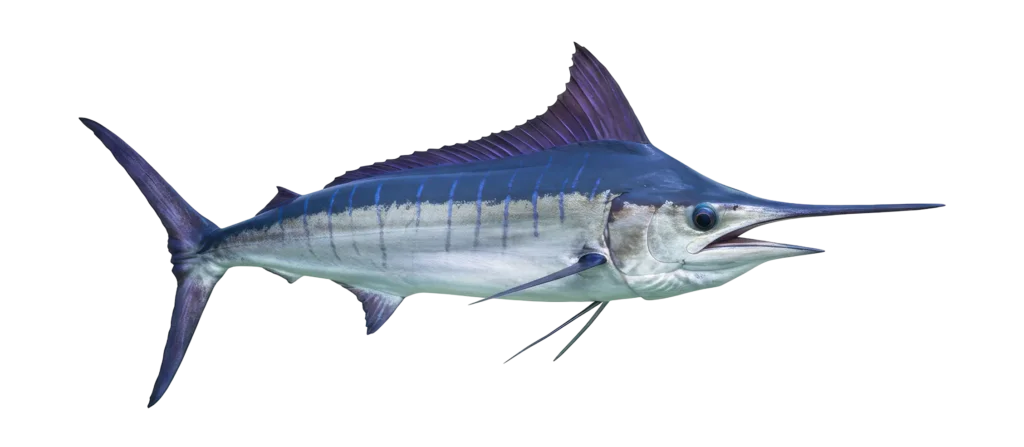
Marlin are some of the most recognizable sport fish in the world, especially along the Gulf Coast, where both blue marlin and white marlin migrate through deep offshore waters. Anglers know them for their long, spear-like bills and sleek bodies, which are built entirely for speed. When a marlin hits the line, everything changes fast. They are famous for blistering runs, sudden direction changes, and explosive jumps at the surface.
These fish grow remarkably large, with blue marlin reaching several hundred pounds and stretching well over ten feet long. Even smaller white marlin are powerful fighters that can test an angler’s reflexes and stamina.
What Is a Swordfish?
Deep-Water Power and Steady Strength
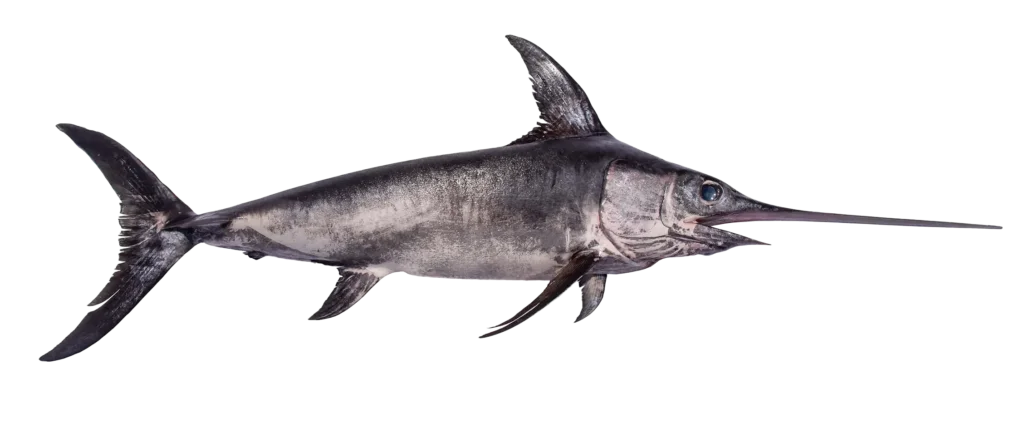
Swordfish are one of the most powerful fish in the ocean and a true trophy catch for offshore anglers. They’re easy to recognize by their long, flat bill that looks more like a blade than a spear. Unlike the fast, high-flying behavior marlin are known for, swordfish rely on raw strength. When they take a bait, the fight tends to be slow and deliberate, with deep, heavy runs that test both patience and endurance.
These fish grow impressively large, with adults commonly reaching several hundred pounds. They spend much of their lives in extremely deep water, so encountering one is a special moment for any angler.
Are Marlin and Swordfish the Same Fish?
No, they aren’t, which surprises a lot of people. Even after learning a little about marlin and swordfish, they can still tend to sound incredibly similar. They’re both large offshore billfish, they both show up in tournaments, and they both have that same dramatic, big-game appeal. It makes sense that anglers often assume they’re variations of the same species.
However, they split off on the evolutionary tree a long time ago and belong to completely different families. Marlin fall under the Istiophoridae family, while swordfish stand alone in the Xiphiidae family. They share some broad characteristics because of their environment, but the details tell a different story.
Some of the biggest differences include:
- They have different bill shapes. Marlin have a round, spear-like bill while swordfish have a flat, blade-like bill.
- Their bodies are built for different purposes. Marlin are streamlined for speed, while swordfish are thicker and built for deep-water power.
- They fight differently. Marlin are famous for fast runs and jumps, while swordfish pull deep with heavy, steady force.
- They follow different activity patterns. Marlin tend to be more active during daylight, while swordfish often move deeper and may be targeted at night.
Once you see these differences laid out, it becomes much clearer that marlin and swordfish are two distinct fish that just happen to share the same offshore stage.
Marlin vs Swordfish Size: Which One Gets Bigger?
When people picture giant offshore fish, marlin and swordfish are usually at the top of the list. They’re both capable of reaching impressive sizes, and both have produced some legendary catches over the years.
Marlin tend to grow longer and, in many cases, heavier. Blue marlin, especially, are known for reaching massive sizes that make them one of the heaviest billfish in the world. Swordfish can grow very large, too, but they generally stay shorter and more compact, which is part of why anglers often underestimate their weight until the fish is actually on the line.
Here are the key size differences at a glance:
- Blue Marlin Average Size: Commonly 200 to 500 pounds
- Blue Marlin Maximum Size: All-tackle world record is 1,402 pounds
- White Marlin Average Size: Typically 50 to 80 pounds
- White Marlin Maximum Size: World record is 181 pounds
- Swordfish Average Size: Often 100 to 300 pounds
- Swordfish Maximum Size: All-tackle world record is 1,182 pounds
Captain’s Note:
Both marlin and swordfish run smaller in the Gulf than the giants caught elsewhere, but they’re still powerful fish. Gulf marlin don’t reach Pacific sizes, and swordfish here are usually in the 100 to 200-pound range, with larger fish showing up at times. Even at these sizes, both species offer a strong, memorable fight.
Final Verdict: Marlin Wins
While both species can exceed a thousand pounds under the right conditions, marlin (especially blue marlin) generally hold the edge in length and overall size.
Marlin vs Swordfish Taste: Which One Is Better?
When it comes to the dinner table, swordfish is the far more familiar choice. Many restaurants serve it regularly, and home cooks often seek it out for its firm texture and mild flavor. Swordfish has a naturally meaty feel that holds up well on the grill or in thick steaks, which is why it shows up so often in seafood markets. The taste is mild but rich enough to stand on its own, and the texture is closer to a tender pork chop than a flaky white fish.
Marlin, on the other hand, is not something most people will see on a menu. It is definitely edible, but its texture is denser and often better suited for smoking than for standard grilling or pan-searing. In many regions, smoked marlin is considered a specialty item. Its flavor is stronger and more robust than swordfish, which is why it typically ends up in dips, spreads, or dishes where a smoky profile fits naturally.
Final Verdict: Swordfish Wins
So which one tastes better? For most people, it’s swordfish. It’s mild, versatile, and widely available. Marlin is more of a specialty flavor that appeals to those who enjoy smoked fish or stronger-tasting seafood.
Where Do They Live in the Gulf of Mexico?
Quick Summary
- Marlin: Near-surface, warm-water edges where bait gathers
- Swordfish: Deep, cold layers far below the surface
Marlin and swordfish may share the same offshore region of the Gulf, but they live in very different environments. Marlin spend their time near the surface, following temperature breaks and moving with baitfish schools that shift through the seasons. Swordfish stay far deeper, in cold water with very little light, and rise closer to the surface only occasionally, usually at night.
Because of these very different depth preferences, the two species rarely cross paths even though they’re part of the same offshore ecosystem.
Marlin vs Swordfish vs Sailfish
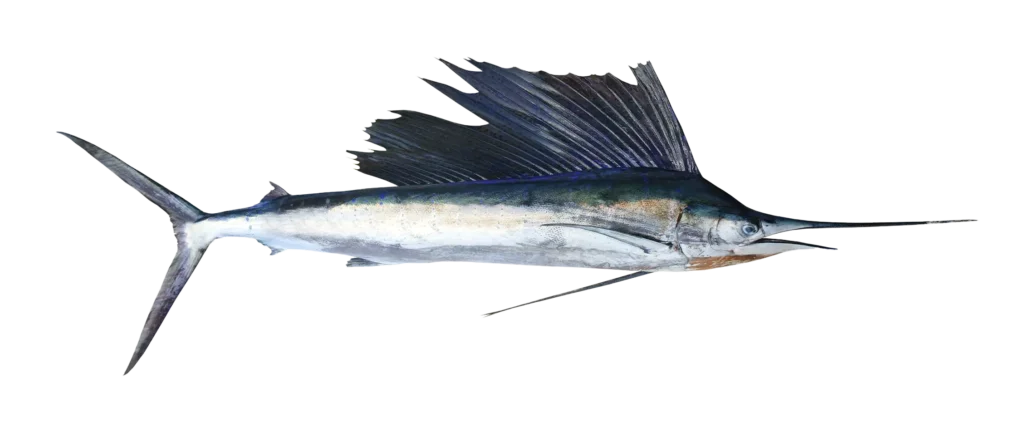
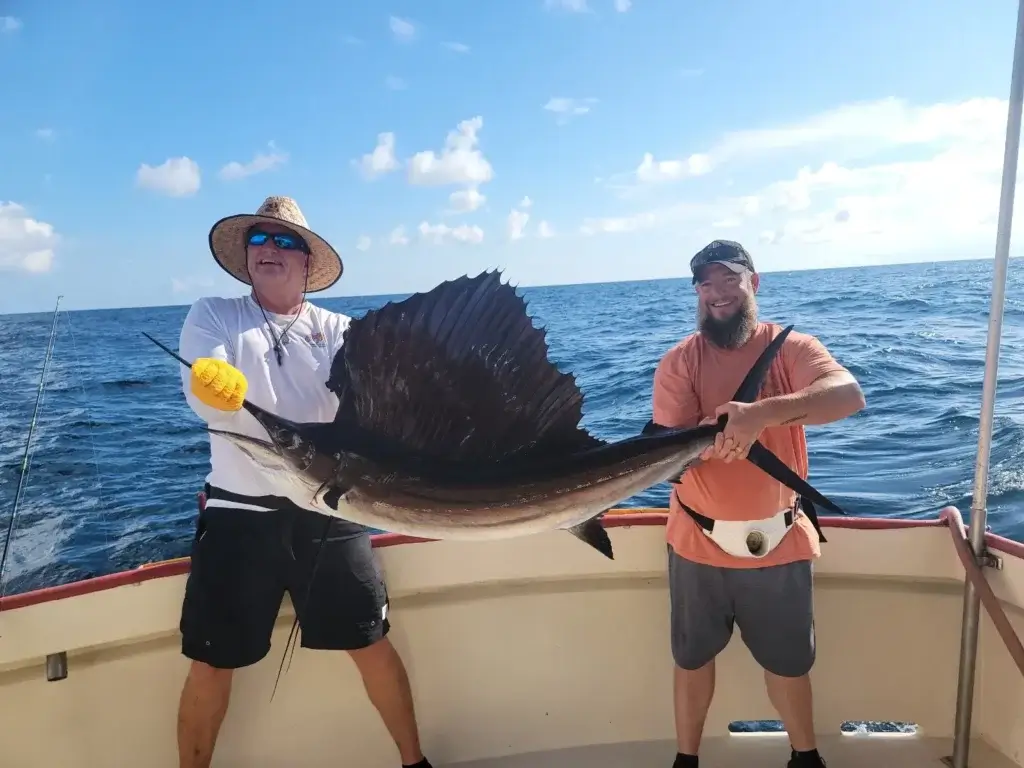
So what about sailfish? They’re also billfish, and like marlin and swordfish, they live offshore and show up in a lot of big-game conversations. But sailfish have several traits that set them apart immediately.
Key Differences:
- They are smaller than both marlin and swordfish
- They are faster, often considered the fastest fish in the ocean
- They have a distinct dorsal “sail” that no other billfish has
- They are more acrobatic, making long surface runs and dramatic jumps
- They live closer to the surface and often feed around fast-moving bait schools
Sailfish get grouped in with marlin and swordfish because they share the billfish label, but their size, speed, and surface-level behavior make them a different experience entirely.
Can You Catch Marlin or Swordfish on a Panama City Beach Charter?
It is possible to catch marlin or swordfish in the Gulf, but doing so requires a very specific type of trip. Both species live far offshore, well beyond the range of a standard half-day or even many full-day charters. Marlin are typically encountered on long offshore trolling runs, while swordfish require deep-drop gear and long hours over very deep structure.
Most of our trips focus on the species that are favorites along the Gulf and offer plenty of excitement without the extreme distance, including snapper, amberjack, kingfish, and mahi. These are the fish most visitors come to catch, and the action is reliable and rewarding throughout much of the year.
If you are set on pursuing big-game fish like marlin or swordfish, you can always talk with Captain Mike about the possibility of arranging a specialty long-range trip. These require the right conditions and extra planning, but he can walk you through what it takes and whether it’s a good fit for your goals.
Ready to Reel In a Gulf Coast Trophy?
You don’t have to chase marlin or swordfish to have an unforgettable day on the water. The Gulf is full of hard-fighting species, and with Captain Mike at the helm, you never know what might hit the line next. Contact us to book your trip and see what you can pull from these waters.
Book a Fishing Charter Today