Mike | March 6, 2026
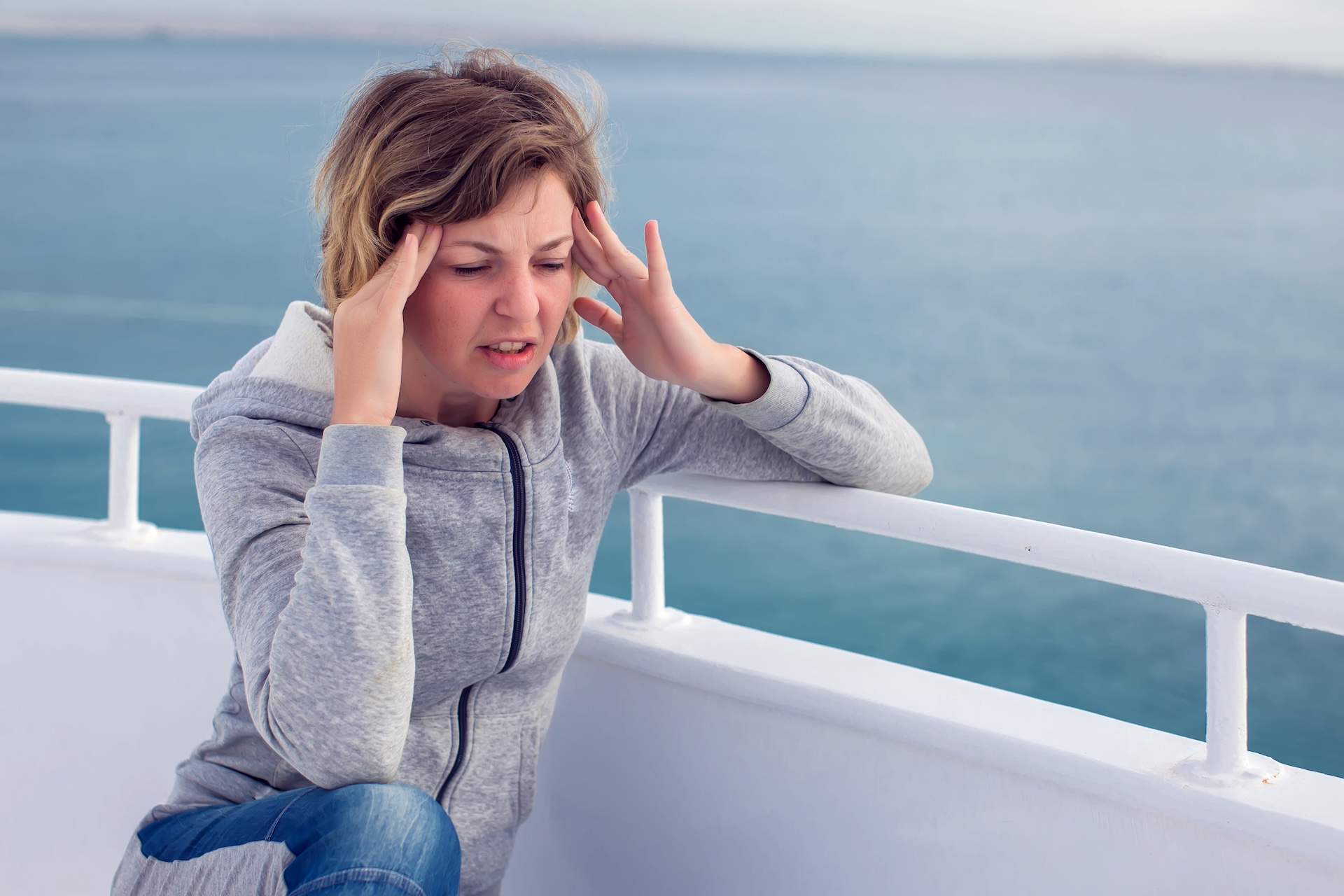
For many people, seasickness is the one thing that causes hesitation before booking a fishing charter. Even if you have never felt motion sickness before, offshore water can feel different once the boat leaves the pass and heads into the Gulf.
The good news is that seasickness is usually manageable, and often preventable, with the right preparation. A few simple choices before your trip and a couple smart habits on the boat can make a real difference in how comfortable you feel.
In this guide, we’ll break down:
- What actually causes seasickness on boats
- How to prevent sea sickness before your fishing charter
- Common remedies like Dramamine and motion sickness patches
- What helps if nausea starts while you’re already on the water
Did you know? The word “nausea” traces back to the Greek root naus, which means ship. Even the language itself ties motion sickness directly to time spent on the water.
Why Do People Get Seasick on Boats?
Seasickness happens when your body receives mixed signals about movement. Your inner ear senses motion as the boat rises, falls, and rolls with the waves. At the same time, your eyes may be focused on things inside the boat, like the deck or the cabin, that seem steady but are actually moving along with the boat.
When your eyes and inner ear are telling two different stories about what your body is doing, your brain has trouble sorting it out. That confusion can lead to nausea, dizziness, and discomfort.
Boats are different from cars or planes because the motion is constant and multi-directional. Instead of moving smoothly forward, a boat moves up and down, side to side, and sometimes in uneven patterns depending on the waves.
Why offshore can feel different than a calm cruise:
- Open Gulf water usually has more noticeable swells than protected bays
- The motion is more consistent and harder to ignore
- Wind and wave direction can change how the ride feels
Key takeaway: Seasickness is not about toughness. It is simply a motion response that can be managed.
Do Most People Get Seasick While Deep Sea Fishing?
Most people do not get seasick on deep sea fishing trips. On calm Gulf days, conditions are often more comfortable than first-time guests expect, especially with fresh air and room to move around.
Fishing also keeps you engaged. Once lines go out, many guests feel better because they are focused on reeling, watching rods, and moving with purpose instead of sitting still.
What we see help most often:
- Calm days are very manageable
- Staying active at the rail helps
- Longer trips do not always mean worse sickness
- Many people settle in after the first hour offshore
Captain’s Note: Guests who worry the most before the trip often end up saying it was not nearly as bad as they expected.
How to Prevent Sea Sickness Before Your Fishing Trip
Most people jump straight to medication when they think about motion sickness, but the basics can make a bigger difference than you might expect. A few simple choices the night before and the morning of your trip can help your body handle offshore motion much better.
Start with these proven habits:
- Get a solid night of sleep
Being tired makes motion sickness more likely. If you can, aim for a full night of rest instead of showing up already run down. - Eat a light, normal meal
Do not go out on an empty stomach, but avoid greasy or heavy breakfasts. Something simple like toast, fruit, eggs, or oatmeal is usually a safe bet. - Stay hydrated
Dehydration makes nausea worse. Drink water before the trip and bring water along. If you have coffee, keep it moderate. - Avoid alcohol the night before
Even a few drinks can make you feel worse offshore the next day. If seasickness is a concern, this is one of the easiest wins. - Dress for the ride, not just the forecast
Layers help. Getting too hot or too cold can make nausea hit faster. Bring a light jacket, sunglasses, and something that blocks the wind.
Quick takeaway: If you do these things first, you may not need anything stronger. If you want extra insurance, that is where options like Dramamine or motion sickness patches can help.
Dramamine, Patches, or Nothing? What Actually Works
There is no single solution that works for everyone. Over the years, we’ve seen guests do just fine with no medication at all, while others prefer a little extra insurance. The key is understanding what each option does and choosing what fits your body and comfort level.
Dramamine for Seasickness
Dramamine is one of the most common choices for preventing seasickness. Many guests use it successfully, especially on longer offshore trips.
Timing matters. Taking it before symptoms start is far more effective than waiting until you feel sick.
- Some people take Dramamine the night before a trip to get it into their system early
- Others prefer taking it the morning of the trip, usually 30 to 60 minutes before boarding
One thing to keep in mind is drowsiness. Dramamine can make some people feel sleepy or sluggish, which is not ideal if you want to stay sharp and enjoy the fishing. If you have never taken it before, it may be worth testing it on a non-fishing day first.
Motion Sickness Patches
Motion sickness patches are another option guests often ask about. These patches release medication slowly through the skin and are typically applied behind the ear several hours before a trip.
They tend to work best for people who:
- Know they are sensitive to motion
- Are going on longer offshore trips
- Prefer not to take pills
However, patches are not for everyone. Some guests report side effects like dry mouth, blurred vision, or dizziness. If you have never used one before, it is smart to talk with your doctor ahead of time and try it well before your fishing day.
Non-Medication Options
Some guests prefer to avoid medication altogether and still manage seasickness successfully. These options are simple, low-risk, and easy to try.
- Ginger, whether in chews, tea, or candy, helps settle some stomachs
- Chewing gum can help by keeping your jaw moving and reducing nausea
- Acupressure wrist bands work for some people and are easy to wear
These options tend to work best when combined with good sleep, hydration, and staying active on the boat.
Captain’s Note:
We are not doctors, and everyone reacts differently. These tips are based on years of experience and what guests tell us has worked for them. If you have medical questions or conditions, it’s always best to talk with your doctor before your trip.
When Should You Take Dramamine Before a Fishing Charter?
If you have decided to take Dramamine, the real question becomes this: do you want the most coverage offshore, or the least chance of feeling drowsy at the dock?
The Night Before
Taking it the night before tends to make sense for guests who already know they are motion-sensitive, or for anyone who wants to wake up with the medication already settled. Some people also prefer this option because any early drowsiness may be less noticeable by the time the trip starts.
The Morning Of
Taking it the morning of the trip is often a good fit if you are not sure how you will feel offshore, if you are doing a shorter trip, or if you prefer to avoid feeling sleepy the evening before. This option works best when you give it enough lead time before departure and do not wait until you are already uncomfortable.
A simple way to choose is to think about your past experiences with motion. If you have gotten carsick, seasick, or queasy on rides before, the night-before approach may be the safer bet. If you rarely deal with motion sickness and just want a little extra insurance, taking it the morning of the trip is usually enough.
Captain’s Note: If you are unsure, ask your doctor or pharmacist what timing makes the most sense for you, especially if you take other medications or have conditions that affect drowsiness.
What Helps If You Start Feeling Seasick on the Boat?
If seasickness starts to creep in once you are already on the water, the most important thing to know is this: early, simple adjustments usually help more than trying to push through it.
These steps are often enough to turn things around.
- Look toward the horizon
Fixing your eyes on something stable helps your brain match what your inner ear is feeling. Avoid staring at the deck, your phone, or anything inside the boat. - Stay in fresh air
Standing outside where you can feel the breeze makes a big difference. Fresh air helps regulate your body and reduces that closed-in feeling that can make nausea worse. - Keep moving with purpose
Light movement helps your body adapt to the motion. Fishing, adjusting position, or walking a few steps along the rail is usually better than sitting still. - Avoid going into the cabin
Cabins can feel stuffy and limit your view of the horizon. Staying topside almost always helps more than lying down inside. - Let the crew know early
This is what the crew is there for. Letting someone know as soon as you start feeling off allows them to help with positioning, fresh air, and simple adjustments before it gets worse.
How Long Does Sea Sickness Last?
In most cases, seasickness does not last all day. For many people, it improves once the body adjusts to the boat’s motion, which often happens within the first hour offshore. If someone does feel sick, it usually settles down fairly quickly once the boat stops moving or returns to calmer water.
The biggest thing to remember is that a rough start does not automatically mean a ruined trip. With a few small adjustments on the boat and the right prep next time, many guests feel much better than they expected.
Quick takeaway: Most seasickness is temporary, and it often improves as the trip goes on.
What If I Don’t Know If I Get Seasick?
A lot of first-time charter guests don’t know how they will feel offshore, and that uncertainty can make it easy to overthink the whole trip. The truth is that many people who worry about seasickness end up feeling completely fine once they are outside, moving around, and focused on fishing.
If you want a low-pressure way to test it, a shorter trip can be a great starting point. A 4 to 6 hour charter is often enough time to get offshore, fish, and see how your body responds without committing to a full day.
Preparation matters more than experience. Getting good sleep, eating a light meal, staying hydrated, and having a plan for prevention gives you the best odds of feeling comfortable on the water.
Quick takeaway: If you are unsure, start with a shorter trip and prepare well. Most guests end up doing better than they expect.
Seasickness Does Not Have to Ruin Your Trip
Concerns about seasickness are common, especially for first-time charter guests. The good news is that with a little preparation and the right conditions, most people are able to enjoy a comfortable day on the water.
If you have questions before your trip, we are always happy to help you plan a fishing day that feels right for you. From choosing the best trip length to answering concerns about sea conditions, we are here to help you feel confident before you ever step on board.
Plan Your Trip With Us